High-Impact Tools for Teams: make alignment inspectable ↗
A practical application note on turning team alignment into explicit assumptions, responsibilities, and testable next steps.
Library
Books on finance, business, and design, with the ideas worth carrying into practice.
103 books · 87 authors · 68 on the shelf · 35 in the corpus
103 books across the library

Expectations Investing offers a unique and powerful alternative for identifying value-price gaps. Rappaport and Mauboussin provide everything the reader needs to utilize the discounted cash flow model successfully. And they add an important twist: they suggest that rather than forecasting cash flows, investors should begin by estimating the expectations embedded in a company's stock price. An investor who has a fix on the market's expectations can then assess the likelihood of expectations revisions. To help investors anticipate such revisions, Rappaport and Mauboussin introduce an "expectations infrastructure" framework for tracing the process of value creation from the basic economic forces that shape a company's performance to the resulting impact on sales, costs, and investment.
Expectations Investing offers a unique and powerful alternative for identifying value-price gaps. Rappaport and Mauboussin provide everything the reader needs to utilize the discounted cash flow model successfully. And they add an important twist: they suggest that rather than forecasting cash flows, investors should begin by estimating the expectations embedded in a company's stock price. An investor who has a fix on the market's expectations can then assess the likelihood of expectations revisions. To help investors anticipate such revisions, Rappaport and Mauboussin introduce an "expectations infrastructure" framework for tracing the process of value creation from the basic economic forces that shape a company's performance to the resulting impact on sales, costs, and investment.
Key takeaways

Aswath Damodaran, distinguished author, Professor of Finance, and David Margolis, Teaching Fellow at the NYU Stern School of Business, have delivered the newest edition of Applied Corporate Finance. This readable text provides the practical advice students and practitioners need rather than a sole concentration on debate theory, assumptions, or models. Like no other text of its kind, Applied Corporate Finance, 4th Edition applies corporate finance to real companies. It now contains six real-world core companies to study and follow. Business decisions are classified for students into three groups: investment, financing, and dividend decisions.
Aswath Damodaran, distinguished author, Professor of Finance, and David Margolis, Teaching Fellow at the NYU Stern School of Business, have delivered the newest edition of Applied Corporate Finance. This readable text provides the practical advice students and practitioners need rather than a sole concentration on debate theory, assumptions, or models. Like no other text of its kind, Applied Corporate Finance, 4th Edition applies corporate finance to real companies. It now contains six real-world core companies to study and follow. Business decisions are classified for students into three groups: investment, financing, and dividend decisions.
Key takeaways

Updated edition of the definitive guide to investment valuation tools and techniques Investment Valuation: Tools and Techniques for Determining the Value of Any Asset delves into valuation techniques for a variety of different asset classes, including real options, start-up firms, unconventional assets, distressed companies and private equity, real estate, and many more, and explains how to choose the right model for any given asset valuation scenario. The models are presented with real-world examples so as to capture some of the problems inherent in applying these models, with discussion of differences and common elements between the models to provide readers with a holistic understanding of the subject matter.
Updated edition of the definitive guide to investment valuation tools and techniques Investment Valuation: Tools and Techniques for Determining the Value of Any Asset delves into valuation techniques for a variety of different asset classes, including real options, start-up firms, unconventional assets, distressed companies and private equity, real estate, and many more, and explains how to choose the right model for any given asset valuation scenario. The models are presented with real-world examples so as to capture some of the problems inherent in applying these models, with discussion of differences and common elements between the models to provide readers with a holistic understanding of the subject matter.
Key takeaways

THE KEY TO UNDERSTANDING COMPANY GROWTH AND DECLINE —FROM THE UNDISPUTED EXPERT ON VALUATION Throughout his storied career, Aswath Damodaran has searched for the universal key to demystify corporate finance and valuation. Now, at last, he offers the groundbreaking answer to readers everywhere. It turns out there is a corporate lifecycle very much like our own — with unique stages of growth and decline. And just as we must learn to act our age, so too must companies. By better understanding how corporations age and the characteristics of each stage of their lifecycle, we can unlock the secrets behind any businesses behavior and optimize our management and investment decisions accordingly.
THE KEY TO UNDERSTANDING COMPANY GROWTH AND DECLINE —FROM THE UNDISPUTED EXPERT ON VALUATION Throughout his storied career, Aswath Damodaran has searched for the universal key to demystify corporate finance and valuation. Now, at last, he offers the groundbreaking answer to readers everywhere. It turns out there is a corporate lifecycle very much like our own — with unique stages of growth and decline. And just as we must learn to act our age, so too must companies. By better understanding how corporations age and the characteristics of each stage of their lifecycle, we can unlock the secrets behind any businesses behavior and optimize our management and investment decisions accordingly.
Key takeaways

The standard real estate finance text: property level underwriting, mortgage math, and partnership structures, refreshed for the current rate environment.
The standard real estate finance text: property level underwriting, mortgage math, and partnership structures, refreshed for the current rate environment.
Key takeaways

For courses in international finance. Authoritative, comprehensive coverage of contemporary international finance Renowned for its authoritative, comprehensive coverage of contemporary international finance, Multinational Business Finance trains the leaders of tomorrow’s multinational enterprises to recognize and capitalize on the unique characteristics of global markets
For courses in international finance. Authoritative, comprehensive coverage of contemporary international finance Renowned for its authoritative, comprehensive coverage of contemporary international finance, Multinational Business Finance trains the leaders of tomorrow’s multinational enterprises to recognize and capitalize on the unique characteristics of global markets
Key takeaways

The comprehensively updated new edition of a bestselling textbook that covers fundamental features of bonds, analytical techniques, and portfolio strategies. Now in its 11th edition, this bestselling textbook illuminates the complexities and dynamics of the bond markets, integrating rigorous technical content with real-world case studies to effectively bridge theory and application. Advances in technology and data availability have fundamentally transformed how fixed-income securities are valued, traded, and managed
The comprehensively updated new edition of a bestselling textbook that covers fundamental features of bonds, analytical techniques, and portfolio strategies. Now in its 11th edition, this bestselling textbook illuminates the complexities and dynamics of the bond markets, integrating rigorous technical content with real-world case studies to effectively bridge theory and application. Advances in technology and data availability have fundamentally transformed how fixed-income securities are valued, traded, and managed
Key takeaways

Greer's real-estate valuation text: how to underwrite a property like an investment, from income capitalization and discounted cash flow to financing structure, risk, and the decision rules that separate a good deal from a good story.
Greer's real-estate valuation text: how to underwrite a property like an investment, from income capitalization and discounted cash flow to financing structure, risk, and the decision rules that separate a good deal from a good story.
Key takeaways
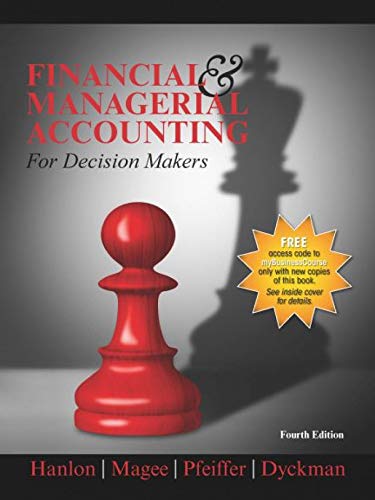
The Cambridge Business Publishers core accounting text, written for people who will use statements rather than prepare them. Coverage runs from the mechanics of accruals and the balance sheet to ratio analysis, forecasting, and the judgment calls behind reported numbers.
The Cambridge Business Publishers core accounting text, written for people who will use statements rather than prepare them. Coverage runs from the mechanics of accruals and the balance sheet to ratio analysis, forecasting, and the judgment calls behind reported numbers.
Key takeaways

Economies, companies and markets operate in accordance with patterns which are influenced by naturally occurring events combined with human psychology and behaviour. The wisest investors learn to appreciate these rhythms and identify the best opportunities to take actions which will transform their finances for the better. This insightful, practical guide to understanding and responding to cycles - by a world-leading investor - is your key to unlocking a better and more privileged appreciation of how to make the markets work for you and make your money multiply. When I see memos from Howard Marks in my mail, they're the first thing I open and read", Warren Buffett.
Economies, companies and markets operate in accordance with patterns which are influenced by naturally occurring events combined with human psychology and behaviour. The wisest investors learn to appreciate these rhythms and identify the best opportunities to take actions which will transform their finances for the better. This insightful, practical guide to understanding and responding to cycles - by a world-leading investor - is your key to unlocking a better and more privileged appreciation of how to make the markets work for you and make your money multiply. When I see memos from Howard Marks in my mail, they're the first thing I open and read", Warren Buffett.
Key takeaways

The long-awaited revised edition of the stock trading classic gets you fully up to date on value investing, ESG investing, and other important developments The definitive guide to stock trading, Stocks for the Long Run has been providing the knowledge, insights, and tools that traders need to understand the market for nearly 30 years
The long-awaited revised edition of the stock trading classic gets you fully up to date on value investing, ESG investing, and other important developments The definitive guide to stock trading, Stocks for the Long Run has been providing the knowledge, insights, and tools that traders need to understand the market for nearly 30 years
Key takeaways

Based on a popular class taught by a Harvard Business School professor. If you're not a numbers person, then finance can be intimidating and easy to ignore. But if you want to advance in your career, you'll need to make smart financial decisions and develop the confidence to clearly communicate those decisions to others. In How Finance Works, Mihir Desai--a professor at Harvard Business School and author of The Wisdom of Finance --guides you into the complex but endlessly fascinating world of finance, demystifying it in the process. Through entertaining case studies, interactive exercises, full-color visuals, and a conversational style that belies the topic, Professor Desai tackles a broad range of topics that will give you the knowledge and skills you need to finally understand how finance works.
Based on a popular class taught by a Harvard Business School professor. If you're not a numbers person, then finance can be intimidating and easy to ignore. But if you want to advance in your career, you'll need to make smart financial decisions and develop the confidence to clearly communicate those decisions to others. In How Finance Works, Mihir Desai--a professor at Harvard Business School and author of The Wisdom of Finance --guides you into the complex but endlessly fascinating world of finance, demystifying it in the process. Through entertaining case studies, interactive exercises, full-color visuals, and a conversational style that belies the topic, Professor Desai tackles a broad range of topics that will give you the knowledge and skills you need to finally understand how finance works.
Key takeaways

Ray Dalio’s excellent study provides an innovative way of thinking about debt crises and the policy response.” - Ben Bernanke “Ray Dalio’s book is must reading for anyone who aspires to prevent or manage through the next financial crisis.” - Larry Summers “A terrific piece of work from one of the world’s top investors who has devoted his life to understanding markets and demonstrated that understanding by navigating the 2008 financial crisis well.” - Hank Paulson “An outstanding history of financial crises, including the devastating crisis of 2008, with a very valuable framework for understanding why the engine of the financial system occasionally breaks down, and what types of policy actions by central banks and governments are necessary to resolve systemic financial crises.
Ray Dalio’s excellent study provides an innovative way of thinking about debt crises and the policy response.” - Ben Bernanke “Ray Dalio’s book is must reading for anyone who aspires to prevent or manage through the next financial crisis.” - Larry Summers “A terrific piece of work from one of the world’s top investors who has devoted his life to understanding markets and demonstrated that understanding by navigating the 2008 financial crisis well.” - Hank Paulson “An outstanding history of financial crises, including the devastating crisis of 2008, with a very valuable framework for understanding why the engine of the financial system occasionally breaks down, and what types of policy actions by central banks and governments are necessary to resolve systemic financial crises.
Key takeaways

An invaluable resource for policymakers, investors, and citizens.” author of Principles. Do big government debts threaten our collective well-being? Are there limits to debt growth? Can a big, important reserve currency country like the United States really go broke—and what would that look like? For decades, politicians, policymakers, and investors have debated these questions, but the answers have eluded them.
An invaluable resource for policymakers, investors, and citizens.” author of Principles. Do big government debts threaten our collective well-being? Are there limits to debt growth? Can a big, important reserve currency country like the United States really go broke—and what would that look like? For decades, politicians, policymakers, and investors have debated these questions, but the answers have eluded them.
Key takeaways
Ray Dalio’s excellent study provides an innovative way of thinking about debt crises and the policy response.” - Ben Bernanke “Ray Dalio’s book is must reading for anyone who aspires to prevent or manage through the next financial crisis.” - Larry Summers “A terrific piece of work from one of the world’s top investors who has devoted his life to understanding markets and demonstrated that understanding by navigating the 2008 financial crisis well.” - Hank Paulson “An outstanding history of financial crises, including the devastating crisis of 2008, with a very valuable framework for understanding why the engine of the financial system occasionally breaks down, and what types of policy actions by central banks and governments are necessary to resolve systemic financial crises.
Ray Dalio’s excellent study provides an innovative way of thinking about debt crises and the policy response.” - Ben Bernanke “Ray Dalio’s book is must reading for anyone who aspires to prevent or manage through the next financial crisis.” - Larry Summers “A terrific piece of work from one of the world’s top investors who has devoted his life to understanding markets and demonstrated that understanding by navigating the 2008 financial crisis well.” - Hank Paulson “An outstanding history of financial crises, including the devastating crisis of 2008, with a very valuable framework for understanding why the engine of the financial system occasionally breaks down, and what types of policy actions by central banks and governments are necessary to resolve systemic financial crises.
Key takeaways

An illustrated distillation of Dalio's principles: embrace reality, treat painful mistakes as feedback, insist on radical truth and transparency, and work a five step process toward what you want.
An illustrated distillation of Dalio's principles: embrace reality, treat painful mistakes as feedback, insist on radical truth and transparency, and work a five step process toward what you want.
Key takeaways

#1 NEW YORK TIMES BESTSELLER * 5 MILLION COPIES SOLD “Significant...The book is both instructive and surprisingly moving.” Dalio, one of the world’s most successful investors and entrepreneurs, shares the unconventional principles that he’s developed, refined, and used over the past forty years to create unique results in both life and business Dalio himself has been named to Time magazine’s list of the 100 most influential people in the world.
#1 NEW YORK TIMES BESTSELLER * 5 MILLION COPIES SOLD “Significant...The book is both instructive and surprisingly moving.” Dalio, one of the world’s most successful investors and entrepreneurs, shares the unconventional principles that he’s developed, refined, and used over the past forty years to create unique results in both life and business Dalio himself has been named to Time magazine’s list of the 100 most influential people in the world.
Key takeaways

The #1 best-selling guide to business valuation, newly updated and revised Valuation: Measuring and Managing the Value of Companies has been the gold standard in measuring and managing company value for more than 30 years. Now in its eighth edition, this acclaimed volume continues to help corporate executives, bankers, students, and other financial professionals around the world gain a deep understanding of valuation as well as allow their companies to create and maximize economic value
The #1 best-selling guide to business valuation, newly updated and revised Valuation: Measuring and Managing the Value of Companies has been the gold standard in measuring and managing company value for more than 30 years. Now in its eighth edition, this acclaimed volume continues to help corporate executives, bankers, students, and other financial professionals around the world gain a deep understanding of valuation as well as allow their companies to create and maximize economic value
Key takeaways

The Wheelen and Hunger strategy text: environmental scanning, internal analysis, strategy formulation and implementation, with cases on globalization, innovation and sustainability.
The Wheelen and Hunger strategy text: environmental scanning, internal analysis, strategy formulation and implementation, with cases on globalization, innovation and sustainability.
Key takeaways

The condensed Bodie, Kane and Marcus course: risk and return, portfolio theory and asset pricing, for readers who want the framework without the full textbook.
The condensed Bodie, Kane and Marcus course: risk and return, portfolio theory and asset pricing, for readers who want the framework without the full textbook.
Key takeaways

ISBN: 9781260571158 is an International edition of Investments 12th Edition By Zvi Bodie, Alex Kane, Alan J. Marcus This is student textbook only. It does not come with online access code. Access code, if required by an instructor, sold separately at another ISBN. The content of International edition is the same as other formats. Investments sets the standard as a graduate (MBA) text intended primarily for courses in investment analysis
ISBN: 9781260571158 is an International edition of Investments 12th Edition By Zvi Bodie, Alex Kane, Alan J. Marcus This is student textbook only. It does not come with online access code. Access code, if required by an instructor, sold separately at another ISBN. The content of International edition is the same as other formats. Investments sets the standard as a graduate (MBA) text intended primarily for courses in investment analysis
Key takeaways

Seessel's argument that value investing has to adapt to an economy where the best businesses are asset light and intangible heavy, with a framework for valuing them on owner earnings rather than book value.
Seessel's argument that value investing has to adapt to an economy where the best businesses are asset light and intangible heavy, with a framework for valuing them on owner earnings rather than book value.
Key takeaways

The classic work from the “father of value investing”―fully updated for today’s generation of investors First published in 1934, Security Analysis is one of the most influential financial books ever written. With more than million copies sold, it has provided generations of investors with the timeless value investing philosophy and techniques of the legendary Benjamin Graham and David L
The classic work from the “father of value investing”―fully updated for today’s generation of investors First published in 1934, Security Analysis is one of the most influential financial books ever written. With more than million copies sold, it has provided generations of investors with the timeless value investing philosophy and techniques of the legendary Benjamin Graham and David L
Key takeaways

MP3 CD Format Beat the market with the tips and techniques from the best value investors in the world The classic, seminal work in the field, Value Investing has been updated in a new, second edition to include the latest trends and a close look at some of the emerging investors who continue in the value investing tradition of Ben Graham and Warren Buffett
MP3 CD Format Beat the market with the tips and techniques from the best value investors in the world The classic, seminal work in the field, Value Investing has been updated in a new, second edition to include the latest trends and a close look at some of the emerging investors who continue in the value investing tradition of Ben Graham and Warren Buffett
Key takeaways

This book is about 100-baggers. These are stocks that return $100 for every $1 invested. That means a $10,000 investment turns into $1 million. Chris Mayer can help you find them. It sounds like an outrageous quest with a wildly improbable chance of success. But when Mayer studied 100-baggers of the past, definite patterns emerged. In 100-Baggers, you will learn the key characteristics of 100-baggers why anybody can do this. It is truly an everyman s approach. You don t need an MBA or a finance degree. Some basic financial concepts are all you need a number of crutches or techniques that can help you get more out of your stocks and investing. The emphasis is always on the practical, so there are many stories and anecdotes to help illustrate important points.
This book is about 100-baggers. These are stocks that return $100 for every $1 invested. That means a $10,000 investment turns into $1 million. Chris Mayer can help you find them. It sounds like an outrageous quest with a wildly improbable chance of success. But when Mayer studied 100-baggers of the past, definite patterns emerged. In 100-Baggers, you will learn the key characteristics of 100-baggers why anybody can do this. It is truly an everyman s approach. You don t need an MBA or a finance degree. Some basic financial concepts are all you need a number of crutches or techniques that can help you get more out of your stocks and investing. The emphasis is always on the practical, so there are many stories and anecdotes to help illustrate important points.
Key takeaways

Tillinghast's account of a career spent avoiding mistakes: invest only in what you understand, judge management carefully, read the accounting for traps, and trust a repeatable process over a lucky outcome.
Tillinghast's account of a career spent avoiding mistakes: invest only in what you understand, judge management carefully, read the accounting for traps, and trust a repeatable process over a lucky outcome.
Key takeaways

Idea generation for value-oriented investing, from the top names in finance The Manual of Ideas is the indispensable resource top investment firms like Berkshire Hathaway rely on for cutting edge research and investment ideas. As the definitive source for value investing opportunities, this book takes you inside the minds of the world's top money managers to learn how they generate the bright ideas that lead to big profits
Idea generation for value-oriented investing, from the top names in finance The Manual of Ideas is the indispensable resource top investment firms like Berkshire Hathaway rely on for cutting edge research and investment ideas. As the definitive source for value investing opportunities, this book takes you inside the minds of the world's top money managers to learn how they generate the bright ideas that lead to big profits
Key takeaways

He has earned millions of dollars for his hedge fund by shorting the stocks of businesses he believed were on their way to bankruptcy. In Dead Companies Walking, Fearon describes his methods for spotting these doomed businesses, and how they can be extremely profitable investments. In his experience, corporate managers routinely commit six common mistakes that can derail even the most promising companies: they learn from only the recent past; they rely too heavily on a formula for success; they misunderstand their target customers; they fall victim to the magical storytelling of a mania; they fail to adapt to tectonic shifts in their industry; and they are physically or emotionally removed from their companies' operations.
He has earned millions of dollars for his hedge fund by shorting the stocks of businesses he believed were on their way to bankruptcy. In Dead Companies Walking, Fearon describes his methods for spotting these doomed businesses, and how they can be extremely profitable investments. In his experience, corporate managers routinely commit six common mistakes that can derail even the most promising companies: they learn from only the recent past; they rely too heavily on a formula for success; they misunderstand their target customers; they fall victim to the magical storytelling of a mania; they fail to adapt to tectonic shifts in their industry; and they are physically or emotionally removed from their companies' operations.
Key takeaways

Investors are all too often lured by the prospect of instant millions and fall prey to the many fads of Wall Street. The myriad approaches they adopt offer little or no real prospect for long-term success and invariably run the risk of considerable economic loss - they resemble speculation or outright gambling, not a coherent investment program. But value investing - the strategy of investing in securities trading at an appreciable discount from underlying value - has a long history - has a long history of delivering excellent investment results with limited downside risk.
Investors are all too often lured by the prospect of instant millions and fall prey to the many fads of Wall Street. The myriad approaches they adopt offer little or no real prospect for long-term success and invariably run the risk of considerable economic loss - they resemble speculation or outright gambling, not a coherent investment program. But value investing - the strategy of investing in securities trading at an appreciable discount from underlying value - has a long history - has a long history of delivering excellent investment results with limited downside risk.
Key takeaways

How the Billionaire Contrarians of Deep Value Beat the Market is an easy-to-read account of deep value investing. The book shows how investors Warren Buffett, Carl Icahn, David Einhorn and Dan Loeb got started and how they do it. Carlisle combines engaging stories with research and data to show how you can do it too.
How the Billionaire Contrarians of Deep Value Beat the Market is an easy-to-read account of deep value investing. The book shows how investors Warren Buffett, Carl Icahn, David Einhorn and Dan Loeb got started and how they do it. Carlisle combines engaging stories with research and data to show how you can do it too.
Key takeaways
Tweedy, Browne's monograph reviewing decades of academic and practitioner evidence on what actually predicts returns: low price-to-book, small size, dividend yield, insider buying, and the discipline of buying cheap over long horizons.
Tweedy, Browne's monograph reviewing decades of academic and practitioner evidence on what actually predicts returns: low price-to-book, small size, dividend yield, insider buying, and the discipline of buying cheap over long horizons.
Key takeaways
Follow up: Monograph, may have no retail listing

From a renowned financial journalist comes a fresh, and profound book that draws on hundreds of hours of exclusive interviews with many of the world’s super-investors to demonstrate that key insights for building wealth apply to life as well. If we think of them, it’s with a mixture of awe and suspicion. Clearly, they possess a kind of genius—the proverbial Midas Touch. But are the skills they possess transferable? And do they have anything to teach us besides making money? In Richer, Wiser, Happier, William Green draws on interviews that he’s conducted over twenty-five years with many of the world’s greatest investors. As he discovered, their talents extend well beyond the financial realm.
From a renowned financial journalist comes a fresh, and profound book that draws on hundreds of hours of exclusive interviews with many of the world’s super-investors to demonstrate that key insights for building wealth apply to life as well. If we think of them, it’s with a mixture of awe and suspicion. Clearly, they possess a kind of genius—the proverbial Midas Touch. But are the skills they possess transferable? And do they have anything to teach us besides making money? In Richer, Wiser, Happier, William Green draws on interviews that he’s conducted over twenty-five years with many of the world’s greatest investors. As he discovered, their talents extend well beyond the financial realm.
Key takeaways

An in-depth introduction to stock and bond investments. Assumes the reader has no prior background. Covers in narrative form with examples: fundamentals of financial statements, financial ratios, primary and secondary offerings, price/earnings ratios, commonly misunderstood terms such as "capitalize", "equity", "cash flow", "diluted earnings" and more. Book is not just a glossary, but explains things in depth.
An in-depth introduction to stock and bond investments. Assumes the reader has no prior background. Covers in narrative form with examples: fundamentals of financial statements, financial ratios, primary and secondary offerings, price/earnings ratios, commonly misunderstood terms such as "capitalize", "equity", "cash flow", "diluted earnings" and more. Book is not just a glossary, but explains things in depth.
Key takeaways

The collected speeches, talks and aphorisms of Charlie Munger, edited by Peter Kaufman: worldly wisdom, the latticework of mental models, and the checklist discipline behind Berkshire's decisions.
The collected speeches, talks and aphorisms of Charlie Munger, edited by Peter Kaufman: worldly wisdom, the latticework of mental models, and the checklist discipline behind Berkshire's decisions.
Key takeaways

In The Joys Of Compounding, Gautam Baid integrates the wisdom, strategies, and thought processes of over 200 preeminent figures in history whose teachings have stood the test of time. Distilling generations of investment and life lessons and compiling it with his personal experiences into a comprehensive guide on value investing, Baid demonstrates their practical applications in the areas of business, investing, and decision making. The Joys Of Compounding is a celebration of the value investing discipline. It takes investors beyond stocks and business fundamentals to give them a valuable and compelling life philosophy. All lifelong learners will find this book immensely useful as a timeless source of insight and inspiration.
In The Joys Of Compounding, Gautam Baid integrates the wisdom, strategies, and thought processes of over 200 preeminent figures in history whose teachings have stood the test of time. Distilling generations of investment and life lessons and compiling it with his personal experiences into a comprehensive guide on value investing, Baid demonstrates their practical applications in the areas of business, investing, and decision making. The Joys Of Compounding is a celebration of the value investing discipline. It takes investors beyond stocks and business fundamentals to give them a valuable and compelling life philosophy. All lifelong learners will find this book immensely useful as a timeless source of insight and inspiration.
Key takeaways

As today's preeminent doomsday investor Mark Spitznagel describes his Daoist and roundabout investment approach, "one gains by losing and loses by gaining." This is Austrian Investing, an archetypal, counterintuitive, and proven approach, gleaned from the 150-year-old Austrian School of economics, that is both timeless and exceedingly timely. In The Dao of Capital, hedge fund manager and tail-hedging pioneer Mark Spitznagel―with one of the top returns on capital of the financial crisis, as well as over a career―takes us on a gripping, circuitous journey from the Chicago trading pits, over the coniferous boreal forests and canonical strategists from Warring States China to Napoleonic Europe to burgeoning industrial America, to the great economic thinkers of late 19th century Austria.
As today's preeminent doomsday investor Mark Spitznagel describes his Daoist and roundabout investment approach, "one gains by losing and loses by gaining." This is Austrian Investing, an archetypal, counterintuitive, and proven approach, gleaned from the 150-year-old Austrian School of economics, that is both timeless and exceedingly timely. In The Dao of Capital, hedge fund manager and tail-hedging pioneer Mark Spitznagel―with one of the top returns on capital of the financial crisis, as well as over a career―takes us on a gripping, circuitous journey from the Chicago trading pits, over the coniferous boreal forests and canonical strategists from Warring States China to Napoleonic Europe to burgeoning industrial America, to the great economic thinkers of late 19th century Austria.
Key takeaways

An explanation of Warren Buffett's strategy for exploiting down stocks. Designed to teach investors how to decipher and use fincancial information, this guide walks the reader step-by-step through the equations and formulas Buffett uses to determine what to invest in and when.
An explanation of Warren Buffett's strategy for exploiting down stocks. Designed to teach investors how to decipher and use fincancial information, this guide walks the reader step-by-step through the equations and formulas Buffett uses to determine what to invest in and when.
Key takeaways
A compiled booklet of Charlie Munger's checklists and principles, gathered from his speeches and writings for use as a pre-decision screen: inversion, incentives, opportunity cost, and the multi-disciplinary models he insists on.
A compiled booklet of Charlie Munger's checklists and principles, gathered from his speeches and writings for use as a pre-decision screen: inversion, incentives, opportunity cost, and the multi-disciplinary models he insists on.
Key takeaways
Follow up: Booklet compiled from Munger's talks; author attribution inferred

His quest for wisdom originated partly from making mistakes himself and observing those of others but also from the philosophy of super-investor and Berkshire Hathaway Vice Chairman Charles Munger. A man whose simplicity and clarity of thought was unequal to anything Bevelin had seen. In addition to naturalist Charles Darwin and Munger, Bevelin cites an encyclopedic range of thinkers: from first-century BCE Roman poet Publius Terentius to Mark Twain—from Albert Einstein to Richard Feynman—from 16th Century French essayist Michel de Montaigne to Berkshire Hathaway Chairman Warren Buffett. In the book, he describes ideas and research findings from many different fields. This book is for those who love the constant search for knowledge.
His quest for wisdom originated partly from making mistakes himself and observing those of others but also from the philosophy of super-investor and Berkshire Hathaway Vice Chairman Charles Munger. A man whose simplicity and clarity of thought was unequal to anything Bevelin had seen. In addition to naturalist Charles Darwin and Munger, Bevelin cites an encyclopedic range of thinkers: from first-century BCE Roman poet Publius Terentius to Mark Twain—from Albert Einstein to Richard Feynman—from 16th Century French essayist Michel de Montaigne to Berkshire Hathaway Chairman Warren Buffett. In the book, he describes ideas and research findings from many different fields. This book is for those who love the constant search for knowledge.
Key takeaways

An insightful new take on the life and work of one of the world's most remarkable investors: Warren Buffett In the 30th Anniversary Edition of The Warren Buffett Way, celebrated author and investor Robert Hagstrom delivers the definitive version of his bestselling compendium of the investment strategies made famous by Warren Buffett. The Warren Buffett Way describes the twelve investment tenets of Warren Buffett's strategy called business-driven investing and his distinct approach to managing a portfolio of businesses
An insightful new take on the life and work of one of the world's most remarkable investors: Warren Buffett In the 30th Anniversary Edition of The Warren Buffett Way, celebrated author and investor Robert Hagstrom delivers the definitive version of his bestselling compendium of the investment strategies made famous by Warren Buffett. The Warren Buffett Way describes the twelve investment tenets of Warren Buffett's strategy called business-driven investing and his distinct approach to managing a portfolio of businesses
Key takeaways

The Fundsmith playbook: buy a small number of high quality companies that earn high returns on capital, hold them for a long time, and do very little else. Terry Smith's account of why activity is usually the enemy of returns.
The Fundsmith playbook: buy a small number of high quality companies that earn high returns on capital, hold them for a long time, and do very little else. Terry Smith's account of why activity is usually the enemy of returns.
Key takeaways

Tony Robbins' interviews with the investors he calls the best in the world, distilled into a seven step plan covering fees, asset allocation, risk, and the difference between saving and investing.
Tony Robbins' interviews with the investors he calls the best in the world, distilled into a seven step plan covering fees, asset allocation, risk, and the difference between saving and investing.
Key takeaways
Follow up: Spine read as Tony Robbins' Money: Master the Game. Confirm from the physical copy.

Charlie Munger, Berkshire Hathaway's visionary vice chairman and Warren Buffett's indispensable financial partner, has outperformed market indexes again and again, and he believes any investor can do the same. His notion of "elementary, worldly wisdom"―a set of interdisciplinary mental models involving economics, business, psychology, ethics, and management―allows him to keep his emotions out of his investments and avoid the common pitfalls of bad judgment. Munger's system has steered his investments for forty years and has guided generations of successful investors.
Charlie Munger, Berkshire Hathaway's visionary vice chairman and Warren Buffett's indispensable financial partner, has outperformed market indexes again and again, and he believes any investor can do the same. His notion of "elementary, worldly wisdom"―a set of interdisciplinary mental models involving economics, business, psychology, ethics, and management―allows him to keep his emotions out of his investments and avoid the common pitfalls of bad judgment. Munger's system has steered his investments for forty years and has guided generations of successful investors.
Key takeaways

Priceless finance advice everyone can relate to from one of the world's most respected businessmen and the most successful investor of all time Of course you know who Warren Buffett is; he's the most successful investor in the world―maybe of all times. But what do you know about his approach to business and investing? But as Buffett himself will tell you, at the heart of any wealth-building system there are certain core beliefs, not just about finance, but about business, work, morality, your responsibility to yourself, your family and society, and about living a decent life.
Priceless finance advice everyone can relate to from one of the world's most respected businessmen and the most successful investor of all time Of course you know who Warren Buffett is; he's the most successful investor in the world―maybe of all times. But what do you know about his approach to business and investing? But as Buffett himself will tell you, at the heart of any wealth-building system there are certain core beliefs, not just about finance, but about business, work, morality, your responsibility to yourself, your family and society, and about living a decent life.
Key takeaways

The classic history of the political and economic devastation wrought by runaway inflation in Weimar Germany—“ brilliant” ( Guardian ) In 1923, with its currency effectively worthless (the exchange rate in December of that year was one dollar to 4,200,000,000,000 marks), the German republic was all but reduced to a barter economy. Expensive cigars, artworks, and jewels were routinely exchanged for staples such as bread; a cinema ticket could be bought for a lump of coal; and a bottle of paraffin for a silk shirt. People watched helplessly as their life savings disappeared and their loved ones starved. Germany's finances descended into chaos, with severe social unrest in its wake. Money may no longer be physically printed and distributed in the voluminous quantities of 1923.
The classic history of the political and economic devastation wrought by runaway inflation in Weimar Germany—“ brilliant” ( Guardian ) In 1923, with its currency effectively worthless (the exchange rate in December of that year was one dollar to 4,200,000,000,000 marks), the German republic was all but reduced to a barter economy. Expensive cigars, artworks, and jewels were routinely exchanged for staples such as bread; a cinema ticket could be bought for a lump of coal; and a bottle of paraffin for a silk shirt. People watched helplessly as their life savings disappeared and their loved ones starved. Germany's finances descended into chaos, with severe social unrest in its wake. Money may no longer be physically printed and distributed in the voluminous quantities of 1923.
Key takeaways

Mandelbrot's case that markets are not the well behaved bell curves finance assumes: prices move in fractal patterns, turbulence clusters, and risk models built on normal distributions understate the extremes. Written with Richard Hudson for a general reader.
Mandelbrot's case that markets are not the well behaved bell curves finance assumes: prices move in fractal patterns, turbulence clusters, and risk models built on normal distributions understate the extremes. Written with Richard Hudson for a general reader.
Key takeaways

When Carol Roth first heard that one of the World Economic Forum’s predictions for 2030 was “You will own nothing, and be happy,” she thought it was an outlandish fantasy. What she found was that a number of businesses, governments, and global elites share a vision of a future that sounds utopian: Everyone will have everything they need, and no one will own anything. From declines in home and vehicle ownership to global inflation and government spending, many of the trends of modern life reveal that a new world that is emerging—one in which Western citizens, by choice or by circumstance, increasingly do not own possessions or accumulate wealth. It’s the perfect economic environment for the rich and powerful to solidify their positions and prevent anyone else from getting ahead.
When Carol Roth first heard that one of the World Economic Forum’s predictions for 2030 was “You will own nothing, and be happy,” she thought it was an outlandish fantasy. What she found was that a number of businesses, governments, and global elites share a vision of a future that sounds utopian: Everyone will have everything they need, and no one will own anything. From declines in home and vehicle ownership to global inflation and government spending, many of the trends of modern life reveal that a new world that is emerging—one in which Western citizens, by choice or by circumstance, increasingly do not own possessions or accumulate wealth. It’s the perfect economic environment for the rich and powerful to solidify their positions and prevent anyone else from getting ahead.
Key takeaways

Bloomberg's collection of interviews with sixteen market technicians, each explaining the method they trade by: trend, breadth, sentiment, cycles, and the discipline of waiting for the setup. A practical survey of technical analysis from people who make their living at it.
Bloomberg's collection of interviews with sixteen market technicians, each explaining the method they trade by: trend, breadth, sentiment, cycles, and the discipline of waiting for the setup. A practical survey of technical analysis from people who make their living at it.
Key takeaways

Douglas Casey's case that the US economy faces a reckoning, with a playbook for protecting and profiting: hard assets, foreign holdings, and positioning ahead of the crowd rather than with it.
Douglas Casey's case that the US economy faces a reckoning, with a playbook for protecting and profiting: hard assets, foreign holdings, and positioning ahead of the crowd rather than with it.
Key takeaways
Follow up: Author inferred from the adjacent spines. The blue volume may be a newer printing.

Capital Account relates the story of the worlds greatest investment bubble from the perspective of professional investors. The book, comprised of selected reports from Marathon Asset Management, a successful global investment firm, explains how shareholder value the notion that companies should be run in the interests of their shareholders became corrupted in this era of frenzied finance. Professional investors, interested only in maintaining their investment performance over the next quarter, were willing abettors. The croupiers of Wall Street, also know as investment bankers, whipped up the euphoria and peddled to investors superficially plausible stories, MacGuffins, in order to generate huge fees for themselves.
Capital Account relates the story of the worlds greatest investment bubble from the perspective of professional investors. The book, comprised of selected reports from Marathon Asset Management, a successful global investment firm, explains how shareholder value the notion that companies should be run in the interests of their shareholders became corrupted in this era of frenzied finance. Professional investors, interested only in maintaining their investment performance over the next quarter, were willing abettors. The croupiers of Wall Street, also know as investment bankers, whipped up the euphoria and peddled to investors superficially plausible stories, MacGuffins, in order to generate huge fees for themselves.
Key takeaways

We live in an age of serial asset bubbles and spectacular busts. Economists, policymakers, central bankers and most people in the financial world have been blindsided by these busts, while investors have lost trillions. Economists argue that bubbles can only be spotted after they burst and that market moves are unpredictable. Yet Marathon Asset Management, a London-based investment firm managing over $50 billion of assets has developed a relatively simple method for identifying and potentially avoiding them: follow the money, or rather the trail of investment. Bubbles whether they affect a whole economy or merely a single industry, tend to attract a splurge of capital spending. Excessive investment drives down returns and leads inexorably to a bust.
We live in an age of serial asset bubbles and spectacular busts. Economists, policymakers, central bankers and most people in the financial world have been blindsided by these busts, while investors have lost trillions. Economists argue that bubbles can only be spotted after they burst and that market moves are unpredictable. Yet Marathon Asset Management, a London-based investment firm managing over $50 billion of assets has developed a relatively simple method for identifying and potentially avoiding them: follow the money, or rather the trail of investment. Bubbles whether they affect a whole economy or merely a single industry, tend to attract a splurge of capital spending. Excessive investment drives down returns and leads inexorably to a bust.
Key takeaways

Chancellor's history of interest rates, from ancient lending to the era of zero rates, arguing that suppressed rates distort capital allocation, inflate asset prices, and store up the correction that follows.
Chancellor's history of interest rates, from ancient lending to the era of zero rates, arguing that suppressed rates distort capital allocation, inflate asset prices, and store up the correction that follows.
Key takeaways

James Grant’s story of America’s last governmentally untreated depression: A bible for conservative economists, this In 1920–1921, Woodrow Wilson and Warren G. Harding met a deep economic slump by seeming to ignore it, implementing policies that most 21st century economists would call backward. Confronted with plunging prices, wages, and employment, the government balanced the budget and, through the Federal Reserve, raised interest rates. No “stimulus” was administered, and a powerful, job-filled recovery was under way by late 1921. Yet by 1929, the economy spiraled downward as the Hoover administration adopted the policies that Wilson and Harding had declined to put in place.
James Grant’s story of America’s last governmentally untreated depression: A bible for conservative economists, this In 1920–1921, Woodrow Wilson and Warren G. Harding met a deep economic slump by seeming to ignore it, implementing policies that most 21st century economists would call backward. Confronted with plunging prices, wages, and employment, the government balanced the budget and, through the Federal Reserve, raised interest rates. No “stimulus” was administered, and a powerful, job-filled recovery was under way by late 1921. Yet by 1929, the economy spiraled downward as the Hoover administration adopted the policies that Wilson and Harding had declined to put in place.
Key takeaways

This outstanding reference has already taught thousands of traders the concepts of technical analysis and their application in the futures and stock markets. Covering the latest developments in computer technology, technical tools, and indicators, the second edition features new material on candlestick charting, intermarket relationships, stocks and stock rotation, plus state-of-the-art examples and figures. From how to read charts to understanding indicators and the crucial role technical analysis plays in investing, readers gain a thorough and accessible overview of the field of technical analysis, with a special emphasis on futures markets. Revised and expanded for the demands of today's financial world, this book is essential reading for anyone interested in tracking and analyzing market behavior.
This outstanding reference has already taught thousands of traders the concepts of technical analysis and their application in the futures and stock markets. Covering the latest developments in computer technology, technical tools, and indicators, the second edition features new material on candlestick charting, intermarket relationships, stocks and stock rotation, plus state-of-the-art examples and figures. From how to read charts to understanding indicators and the crucial role technical analysis plays in investing, readers gain a thorough and accessible overview of the field of technical analysis, with a special emphasis on futures markets. Revised and expanded for the demands of today's financial world, this book is essential reading for anyone interested in tracking and analyzing market behavior.
Key takeaways

A Comprehensive Overview of the Past, Present, and Future of Money Broken Money explores the history of money through the lens of technology. Politics can affect things temporarily and locally, but technology is what drives things forward globally and permanently. The book's goal is for the reader to walk away with a deep understanding of money and monetary history, both in terms of theoretical foundations and in terms of practical implications. From shells to gold, from papyrus bills of exchange to central banks, and from the invention of the telegraph to the creation of Bitcoin, Lyn Alden walks the reader through the emergence of new technologies that have shaped what we use as money over the ages.
A Comprehensive Overview of the Past, Present, and Future of Money Broken Money explores the history of money through the lens of technology. Politics can affect things temporarily and locally, but technology is what drives things forward globally and permanently. The book's goal is for the reader to walk away with a deep understanding of money and monetary history, both in terms of theoretical foundations and in terms of practical implications. From shells to gold, from papyrus bills of exchange to central banks, and from the invention of the telegraph to the creation of Bitcoin, Lyn Alden walks the reader through the emergence of new technologies that have shaped what we use as money over the ages.
Key takeaways

Economic cycles are driven by financial flows, namely quantities of savings and credits, and not by high street inflation or interest rates. Their sweeping destructive powers are expressed through Global Liquidity, a $130 trillion pool of footloose cash. Global Liquidity describes the gross flows of credit and international capital feeding through the world’s banking systems and wholesale money markets. The huge jump in the volume of international financial markets since the mid-1980s has been boosted by deregulation, innovation and easy money, with financial globalisation now surpassing the peaks of integration reached before the First World War. Global Liquidity drives these markets: it is often determinant, frequently disruptive and always fast-moving.
Economic cycles are driven by financial flows, namely quantities of savings and credits, and not by high street inflation or interest rates. Their sweeping destructive powers are expressed through Global Liquidity, a $130 trillion pool of footloose cash. Global Liquidity describes the gross flows of credit and international capital feeding through the world’s banking systems and wholesale money markets. The huge jump in the volume of international financial markets since the mid-1980s has been boosted by deregulation, innovation and easy money, with financial globalisation now surpassing the peaks of integration reached before the First World War. Global Liquidity drives these markets: it is often determinant, frequently disruptive and always fast-moving.
Key takeaways

How the world’s oldest asset secretly shapes our modern economy In The Land Trap, Mike Bird how this ancient asset still exerts outsize influence over the modern world. Tracing three centuries of history, Bird explores how land quietly became the linchpin of the global banking system, driving everything from soaring housing prices to rising geopolitical tensisons. As governments wrestle with inequality and land grows ever scarcer, The Land Trap offers a powerful new framework for understanding the hidden force behind today's most urgent challenges. This is the book for anyone who wants to see beyond markets and money to the real game being played on a foundation as old as civilization itself. Timely, provocative, and essential, The Land Trap will change how you see the ground beneath your feet.
How the world’s oldest asset secretly shapes our modern economy In The Land Trap, Mike Bird how this ancient asset still exerts outsize influence over the modern world. Tracing three centuries of history, Bird explores how land quietly became the linchpin of the global banking system, driving everything from soaring housing prices to rising geopolitical tensisons. As governments wrestle with inequality and land grows ever scarcer, The Land Trap offers a powerful new framework for understanding the hidden force behind today's most urgent challenges. This is the book for anyone who wants to see beyond markets and money to the real game being played on a foundation as old as civilization itself. Timely, provocative, and essential, The Land Trap will change how you see the ground beneath your feet.
Key takeaways
The Salomon Brothers research series on the yield curve: how to read shape, spot, and forward rates, and how to build a view on the term structure that survives contact with funding costs and duration risk.
The Salomon Brothers research series on the yield curve: how to read shape, spot, and forward rates, and how to build a view on the term structure that survives contact with funding costs and duration risk.
Key takeaways
Follow up: Research series, not a trade book

An Introduction to the Mathematics of Financial Derivatives is a popular, intuitive text that eases the transition between basic summaries of financial engineering to more advanced treatments using stochastic calculus. Requiring only a basic knowledge of calculus and probability, it takes readers on a tour of advanced financial engineering. This classic title has been revised by Ali Hirsa, who accentuates its well-known strengths while introducing new subjects, updating others, and bringing new continuity to the whole.
An Introduction to the Mathematics of Financial Derivatives is a popular, intuitive text that eases the transition between basic summaries of financial engineering to more advanced treatments using stochastic calculus. Requiring only a basic knowledge of calculus and probability, it takes readers on a tour of advanced financial engineering. This classic title has been revised by Ali Hirsa, who accentuates its well-known strengths while introducing new subjects, updating others, and bringing new continuity to the whole.
Key takeaways

Explore the foundations of modern finance with this intuitive mathematical guide In Mathematical Techniques in Finance: An Introduction, distinguished finance professional Amir Sadr delivers an essential and practical guide to the mathematical foundations of various areas of finance, including corporate finance, investments, risk management, and more. Readers will discover a wealth of accessible information that reveals the underpinnings of business and finance.
Explore the foundations of modern finance with this intuitive mathematical guide In Mathematical Techniques in Finance: An Introduction, distinguished finance professional Amir Sadr delivers an essential and practical guide to the mathematical foundations of various areas of finance, including corporate finance, investments, risk management, and more. Readers will discover a wealth of accessible information that reveals the underpinnings of business and finance.
Key takeaways

Over the past decade the financial and business environments have undergone significant changes. During the same period several advances have been made within the field of financial engineering, involving both the methodological tools as well as the application areas. This comprehensive edited volume discusses the most recent advances within the field of financial engineering, focusing not only on the description of the existing areas in financial engineering research, but also on the new methodologies that have been developed for modeling and addressing financial engineering problems.
Over the past decade the financial and business environments have undergone significant changes. During the same period several advances have been made within the field of financial engineering, involving both the methodological tools as well as the application areas. This comprehensive edited volume discusses the most recent advances within the field of financial engineering, focusing not only on the description of the existing areas in financial engineering research, but also on the new methodologies that have been developed for modeling and addressing financial engineering problems.
Key takeaways
Follow up: Editors inferred from the series; verify against the PDF

Reviews for “A Primer for the Mathematics of Financial Engineering”, First Edition: ``One of the hottest degrees on today's campus is a Masters in Financial Engineering. log returns for individual assets and portfolios; optimum investment portfolios: maximum return portfolios and minimum variance portfolios; the numerical precision of finite difference approximations of the Greek.
Reviews for “A Primer for the Mathematics of Financial Engineering”, First Edition: ``One of the hottest degrees on today's campus is a Masters in Financial Engineering. log returns for individual assets and portfolios; optimum investment portfolios: maximum return portfolios and minimum variance portfolios; the numerical precision of finite difference approximations of the Greek.
Key takeaways

Optimization methods play a central role in financial modeling. This textbook is devoted to explaining how state-of-the-art optimization theory, algorithms, and software can be used to efficiently solve problems in computational finance. It discusses some classical mean–variance portfolio optimization models as well as more modern developments such as models for optimal trade execution and dynamic portfolio allocation with transaction costs and taxes
Optimization methods play a central role in financial modeling. This textbook is devoted to explaining how state-of-the-art optimization theory, algorithms, and software can be used to efficiently solve problems in computational finance. It discusses some classical mean–variance portfolio optimization models as well as more modern developments such as models for optimal trade execution and dynamic portfolio allocation with transaction costs and taxes
Key takeaways

Any financial asset that is openly traded has a market price. Except for extreme market conditions, market price may be more or less than a “fair” value. Fair value is likely to be some complicated function of the current intrinsic value of tangible or intangible assets underlying the claim and our assessment of the characteristics of the underlying assets with respect to the expected rate of growth, future dividends, volatility, and other relevant market factors. Some of these factors that affect the price can be measured at the time of a transaction with reasonably high accuracy.
Any financial asset that is openly traded has a market price. Except for extreme market conditions, market price may be more or less than a “fair” value. Fair value is likely to be some complicated function of the current intrinsic value of tangible or intangible assets underlying the claim and our assessment of the characteristics of the underlying assets with respect to the expected rate of growth, future dividends, volatility, and other relevant market factors. Some of these factors that affect the price can be measured at the time of a transaction with reasonably high accuracy.
Key takeaways

For courses in business, economics, and financial engineering and mathematics. The definitive guide to the derivatives market, updated with contemporary examples and discussions Known as 'the bible' to business and economics professionals and a consistent best-seller, Options, Futures, and Other Derivatives gives readers a modern look at the derivatives market. By incorporating the industry's hottest topics, such as the securitisation and credit crisis, author John C. Hull helps bridge the gap between theory and practice
For courses in business, economics, and financial engineering and mathematics. The definitive guide to the derivatives market, updated with contemporary examples and discussions Known as 'the bible' to business and economics professionals and a consistent best-seller, Options, Futures, and Other Derivatives gives readers a modern look at the derivatives market. By incorporating the industry's hottest topics, such as the securitisation and credit crisis, author John C. Hull helps bridge the gap between theory and practice
Key takeaways

Revised and updated guide to some of the most important issues in the capital markets today, with an emphasis on fixed-income instruments. Fundamental concepts in equity market analysis, foreign exchange and money markets are also covered to provide a comprehensive overview. Analysis and valuation techniques are given for practical application.
Revised and updated guide to some of the most important issues in the capital markets today, with an emphasis on fixed-income instruments. Fundamental concepts in equity market analysis, foreign exchange and money markets are also covered to provide a comprehensive overview. Analysis and valuation techniques are given for practical application.
Key takeaways

Destined to become a market classic, Dynamic Hedging is the only practical reference in exotic options hedgingand arbitrage for professional traders and money managers Watch the professionals. From central banks to brokerages to multinationals, institutional investors are flocking to a new generation of exotic and complex options contracts and derivatives. But the promise of ever larger profits also creates the potential for catastrophic trading losses. Now more than ever, the key to trading derivatives lies in implementing preventive risk management techniques that plan for and avoid these appalling downturns. Unlike other books that offer risk management for corporate treasurers, Dynamic Hedging targets the real-world needs of professional traders and money managers.
Destined to become a market classic, Dynamic Hedging is the only practical reference in exotic options hedgingand arbitrage for professional traders and money managers Watch the professionals. From central banks to brokerages to multinationals, institutional investors are flocking to a new generation of exotic and complex options contracts and derivatives. But the promise of ever larger profits also creates the potential for catastrophic trading losses. Now more than ever, the key to trading derivatives lies in implementing preventive risk management techniques that plan for and avoid these appalling downturns. Unlike other books that offer risk management for corporate treasurers, Dynamic Hedging targets the real-world needs of professional traders and money managers.
Key takeaways

WHAT EVERY OPTION TRADER NEEDS TO KNOW. THE ONE BOOK EVERY TRADER SHOULD OWN. The bestselling Option Volatility & Pricing has made Sheldon Natenberg a widely recognized authority in the option industry. At firms around the world, the text is often the first book that new professional traders aregiven to learn the trading strategies and risk management techniques required for success in option markets. Now, in this revised, updated, and expanded second edition, this thirty-year trading professional presents the most comprehensive guide to advanced trading strategies and techniques now in print.
WHAT EVERY OPTION TRADER NEEDS TO KNOW. THE ONE BOOK EVERY TRADER SHOULD OWN. The bestselling Option Volatility & Pricing has made Sheldon Natenberg a widely recognized authority in the option industry. At firms around the world, the text is often the first book that new professional traders aregiven to learn the trading strategies and risk management techniques required for success in option markets. Now, in this revised, updated, and expanded second edition, this thirty-year trading professional presents the most comprehensive guide to advanced trading strategies and techniques now in print.
Key takeaways

[Warning: Do not buy an old edition of Timothy Crack's books by mistake. Click on the Amazon author page link for a list of the latest editions .] THIS IS A MUST READ! It is the first and the original book of quantitative questions from finance job interviews. Painstakingly revised over 32 years and 27 editions, Heard on The Street has been shaped by feedback from hundreds of readers. With over 100,000 copies in print, its readership is unmatched by any competing book
[Warning: Do not buy an old edition of Timothy Crack's books by mistake. Click on the Amazon author page link for a list of the latest editions .] THIS IS A MUST READ! It is the first and the original book of quantitative questions from finance job interviews. Painstakingly revised over 32 years and 27 editions, Heard on The Street has been shaped by feedback from hundreds of readers. With over 100,000 copies in print, its readership is unmatched by any competing book
Key takeaways
Tang and Li's treatment of the analytical side of derivatives trading: model construction, calibration, hedging, and the practical judgment about when a model's assumptions stop describing the market in front of you.
Tang and Li's treatment of the analytical side of derivatives trading: model construction, calibration, hedging, and the practical judgment about when a model's assumptions stop describing the market in front of you.
Key takeaways

Supercharge options analytics and hedging using the power of Python Derivatives Analytics with Python shows you how to implement market-consistent valuation and hedging approaches using advanced financial models, efficient numerical techniques, and the powerful capabilities of the Python programming language. This unique guide offers detailed explanations of all theory, methods, and processes, giving you the background and tools necessary to value stock index options from a sound foundation. You'll find and use self-contained Python scripts and modules and learn how to apply Python to advanced data and derivatives analytics as you benefit from the 5,000+ lines of code that are provided to help you reproduce the results and graphics presented.
Supercharge options analytics and hedging using the power of Python Derivatives Analytics with Python shows you how to implement market-consistent valuation and hedging approaches using advanced financial models, efficient numerical techniques, and the powerful capabilities of the Python programming language. This unique guide offers detailed explanations of all theory, methods, and processes, giving you the background and tools necessary to value stock index options from a sound foundation. You'll find and use self-contained Python scripts and modules and learn how to apply Python to advanced data and derivatives analytics as you benefit from the 5,000+ lines of code that are provided to help you reproduce the results and graphics presented.
Key takeaways

This publication aims to fill the void between books providing an introduction to derivatives, and advanced books whose target audience are members of quantitative modelling community. In order to appeal to the widest audience, this publication tries to assume the least amount of prior knowledge. The content quickly moves onto more advanced subjects in order to concentrate on more practical and advanced topics. A master piece to learn in a nutshell all the essentials about volatility with a practical and lively approach.
This publication aims to fill the void between books providing an introduction to derivatives, and advanced books whose target audience are members of quantitative modelling community. In order to appeal to the widest audience, this publication tries to assume the least amount of prior knowledge. The content quickly moves onto more advanced subjects in order to concentrate on more practical and advanced topics. A master piece to learn in a nutshell all the essentials about volatility with a practical and lively approach.
Key takeaways
Follow up: Author not identifiable from the ingested file

** OVER 5,000,000 COPIES SOLD in the $100M SERIES!! ** You can get 2x, 10x, or 100x more leads than you currently are without changing anything about what you sell… This book contains the playbooks that took me from sleeping on my gym floor to owning a multimillion-dollar portfolio of companies that generate $200,000,000 a year. Wanna know the biggest difference between those two time periods? How many leads I was getting. The problem is - most business owners don’t know how to get leads. I wrote this book to solve your LEADS problem. Today, our companies generate 20,000+ new leads per day across sixteen different industries. And, they do it using the eight “never-go-hungry” playbooks inside. Once you see them, you can’t unsee them. They’re so powerful, they work without your permission.
** OVER 5,000,000 COPIES SOLD in the $100M SERIES!! ** You can get 2x, 10x, or 100x more leads than you currently are without changing anything about what you sell… This book contains the playbooks that took me from sleeping on my gym floor to owning a multimillion-dollar portfolio of companies that generate $200,000,000 a year. Wanna know the biggest difference between those two time periods? How many leads I was getting. The problem is - most business owners don’t know how to get leads. I wrote this book to solve your LEADS problem. Today, our companies generate 20,000+ new leads per day across sixteen different industries. And, they do it using the eight “never-go-hungry” playbooks inside. Once you see them, you can’t unsee them. They’re so powerful, they work without your permission.
Key takeaways

** OVER 5,000,000 COPIES SOLD in the $100M SERIES!! ** Number 1 Amazon BEST SELLER for over FOUR YEARS! I took home more in a year than the CEOs of McDonalds, IKEA, Ford, Motorola, and Yahoo….combined….as a kid in my twenties….using the $100M Offer method. And it will work for you. Not that long ago though, my business had gotten so bad that I literally couldn’t even give my services away for free. At the end of each month, I would look at my bank account hoping to see progress (but there wasn’t). I knew something had to change...but what? Over the next 48 months, I went from losing money to making $36 for every $1 spent. In that time period, we generated over $120,000,000 across four different industries: service, e-commerce, software, and brick & mortar.
** OVER 5,000,000 COPIES SOLD in the $100M SERIES!! ** Number 1 Amazon BEST SELLER for over FOUR YEARS! I took home more in a year than the CEOs of McDonalds, IKEA, Ford, Motorola, and Yahoo….combined….as a kid in my twenties….using the $100M Offer method. And it will work for you. Not that long ago though, my business had gotten so bad that I literally couldn’t even give my services away for free. At the end of each month, I would look at my bank account hoping to see progress (but there wasn’t). I knew something had to change...but what? Over the next 48 months, I went from losing money to making $36 for every $1 spent. In that time period, we generated over $120,000,000 across four different industries: service, e-commerce, software, and brick & mortar.
Key takeaways

Insurance is a sophisticated financial vehicle that can be best understood through the lens of risk management. Experiencing dramatic growth, captive insurance is owned and controlled by its insureds, pooling the risks of its owners. Captive insurance provides businesses with unmatched flexibility regarding coverage, claims, premium, and control, while also offering advantages such as lucrative dividends and innovative financing techniques. This state-of-the-art guide traces the development of small captive insurance and addresses how to set up and properly manage a captive. Modern Captive Insurance: A Legal Guide to Formation, Operation, and Exit Strategies, begins with an overview of what captive insurance is and detail the advantages in setting up a captive for a range of different business situations.
Insurance is a sophisticated financial vehicle that can be best understood through the lens of risk management. Experiencing dramatic growth, captive insurance is owned and controlled by its insureds, pooling the risks of its owners. Captive insurance provides businesses with unmatched flexibility regarding coverage, claims, premium, and control, while also offering advantages such as lucrative dividends and innovative financing techniques. This state-of-the-art guide traces the development of small captive insurance and addresses how to set up and properly manage a captive. Modern Captive Insurance: A Legal Guide to Formation, Operation, and Exit Strategies, begins with an overview of what captive insurance is and detail the advantages in setting up a captive for a range of different business situations.
Key takeaways

Ben Feldman perfected a series of techniques for selling life insurance that earned him a place in the Guinness Book of World Records as the most outstanding salesman in history. Drawing on these foolproof techniques, this book offers a step-by-step action plan leading to sales success. You will be able to follow and absorb the working philosophy, the approaches, the closes, presentations and power phrases that made Ben Feldman the greatest insurance salesman in the world.
Ben Feldman perfected a series of techniques for selling life insurance that earned him a place in the Guinness Book of World Records as the most outstanding salesman in history. Drawing on these foolproof techniques, this book offers a step-by-step action plan leading to sales success. You will be able to follow and absorb the working philosophy, the approaches, the closes, presentations and power phrases that made Ben Feldman the greatest insurance salesman in the world.
Key takeaways
The definitive account of the RJR Nabisco takeover: the bankers, the board and the bidding war that turned a corporate auction into the emblem of 1980s leverage, told as narrative reporting rather than analysis.
The definitive account of the RJR Nabisco takeover: the bankers, the board and the bidding war that turned a corporate auction into the emblem of 1980s leverage, told as narrative reporting rather than analysis.
Key takeaways

Winning at competitive games requires a results-oriented mindset that many players are simply not willing to adopt. This book walks players through the entire how to choose a game and learn basic proficiency, how to break through the mental barriers that hold most players back, and how to handle the issues that top players face. It also includes a complete analysis of Sun TzuÕs book The Art of War and its applications to games of today. These foundational concepts apply to virtually all competitive games, and even have some application to Òreal life.Ó Hardcover.
Winning at competitive games requires a results-oriented mindset that many players are simply not willing to adopt. This book walks players through the entire how to choose a game and learn basic proficiency, how to break through the mental barriers that hold most players back, and how to handle the issues that top players face. It also includes a complete analysis of Sun TzuÕs book The Art of War and its applications to games of today. These foundational concepts apply to virtually all competitive games, and even have some application to Òreal life.Ó Hardcover.
Key takeaways
Ed Pendarvis's guide to buying a small business rather than a job: sourcing, valuing on seller's discretionary earnings, structuring the deal and the financing, and the transition that decides whether the acquisition works.
Ed Pendarvis's guide to buying a small business rather than a job: sourcing, valuing on seller's discretionary earnings, structuring the deal and the financing, and the transition that decides whether the acquisition works.
Key takeaways

A transformational leader elevates that, cultivating a culture in which everyone―throughout the organization―is empowered to use their talents to live and work at their best. As the chairman and CEO of Coca-Cola Consolidated, the largest Coca-Cola bottler in the United States, J. Frank Harrison III knows firsthand the importance of not only prioritizing culture but also living out and modeling the values that drive it. He believes every person in an organization matters and how they are led matters just as much.
A transformational leader elevates that, cultivating a culture in which everyone―throughout the organization―is empowered to use their talents to live and work at their best. As the chairman and CEO of Coca-Cola Consolidated, the largest Coca-Cola bottler in the United States, J. Frank Harrison III knows firsthand the importance of not only prioritizing culture but also living out and modeling the values that drive it. He believes every person in an organization matters and how they are led matters just as much.
Key takeaways

THE 10TH ANNIVERSARY EDITION Champions do extra. They follow the spearhead. In Legacy, best-selling author James Kerr goes deep into the heart of the world's most successful sporting team, the legendary All Blacks of New Zealand, to reveal 15 powerful and practical lessons for leadership and business. Legacy is a unique, inspiring handbook for leaders in all fields, and asks: What are the secrets of success - sustained success? How do you achieve world-class standards, day after day, week after week, year after year? How do you handle pressure? How do you train to win at the highest level? What do you leave behind you after you're gone? What will be your legacy?
THE 10TH ANNIVERSARY EDITION Champions do extra. They follow the spearhead. In Legacy, best-selling author James Kerr goes deep into the heart of the world's most successful sporting team, the legendary All Blacks of New Zealand, to reveal 15 powerful and practical lessons for leadership and business. Legacy is a unique, inspiring handbook for leaders in all fields, and asks: What are the secrets of success - sustained success? How do you achieve world-class standards, day after day, week after week, year after year? How do you handle pressure? How do you train to win at the highest level? What do you leave behind you after you're gone? What will be your legacy?
Key takeaways

A bíblia do marketing digital. Como vender on-line e criar um negócio de sucesso. Foi isso que Jeff Walker, autor deste livro e criador da Product Launch Formula, desenvolveu. Ele mudou a vida de milhares de pessoas com esse método, e agora também pode mudar a sua, ajudando-o a criar um negócio que ame e a alcançar a vida de seus sonhos. A Product Launch Formula é um método de lançamento de produtos on-line que abrange as mais diversas áreas de negócios e marketing. Ao seguir os passos indicados neste livro por Jeff, será possível planejar um lançamento de forma eficaz, atraindo o público-alvo para seu produto e ganhando, provavelmente, muito dinheiro.
A bíblia do marketing digital. Como vender on-line e criar um negócio de sucesso. Foi isso que Jeff Walker, autor deste livro e criador da Product Launch Formula, desenvolveu. Ele mudou a vida de milhares de pessoas com esse método, e agora também pode mudar a sua, ajudando-o a criar um negócio que ame e a alcançar a vida de seus sonhos. A Product Launch Formula é um método de lançamento de produtos on-line que abrange as mais diversas áreas de negócios e marketing. Ao seguir os passos indicados neste livro por Jeff, será possível planejar um lançamento de forma eficaz, atraindo o público-alvo para seu produto e ganhando, provavelmente, muito dinheiro.
Key takeaways

The widely adopted, now classic book on influence and persuasion Dr. Cialdini—the seminal expert in the field of influence and persuasion—explains the psychology of why people say yes and how to apply these principles ethically in business and everyday situations. You’ll learn the six universal principles of influence and how to use them to become a skilled persuader—and, just as importantly, how to defend yourself against dishonest influence attempts: Reciprocation: The internal pull to repay what another person has provided us. Commitment and Consistency: Once we make a choice or take a stand, we work to behave consistently with that commitment in order to justify our decisions. Social Proof: When we are unsure, we look to similar others to provide us with the correct actions to take.
The widely adopted, now classic book on influence and persuasion Dr. Cialdini—the seminal expert in the field of influence and persuasion—explains the psychology of why people say yes and how to apply these principles ethically in business and everyday situations. You’ll learn the six universal principles of influence and how to use them to become a skilled persuader—and, just as importantly, how to defend yourself against dishonest influence attempts: Reciprocation: The internal pull to repay what another person has provided us. Commitment and Consistency: Once we make a choice or take a stand, we work to behave consistently with that commitment in order to justify our decisions. Social Proof: When we are unsure, we look to similar others to provide us with the correct actions to take.
Key takeaways

Robert Bailey's self-published compilation of wealth-building and deal-making tactics, written in short, direct sections aimed at buyers and operators building a portfolio outside capital markets.
Robert Bailey's self-published compilation of wealth-building and deal-making tactics, written in short, direct sections aimed at buyers and operators building a portfolio outside capital markets.
Key takeaways
Follow up: Self-published; verify author

What separates effective communicators from truly successful persuaders? Optimal persuasion is achieved only through optimal pre-suasion. Altering a listener’s attitudes, beliefs, or experiences isn’t necessary, says Cialdini—all that’s required is for.
What separates effective communicators from truly successful persuaders? Optimal persuasion is achieved only through optimal pre-suasion. Altering a listener’s attitudes, beliefs, or experiences isn’t necessary, says Cialdini—all that’s required is for.
Key takeaways

‘Will Storr is one of our best journalists of ideas... The Status Game might be his best yet’ James Marriott, Books of the Year, The Times What drives our political and moral beliefs? What shapes our bitterest conflicts and wildest dreams? Across the world, from Papua New Guinea to Tokyo and Manhattan, humans compete for status. Through games of dominance, virtue and success, it's an obsession that has driven the best and worst of us: the Renaissance and the Industrial Revolution as well as spree killers and tyrants at the gates of Europe. But what makes status an all-consuming prize? And how can we wield our desire for it to improve our relationships, win social media battles and be the best in the workplace?
‘Will Storr is one of our best journalists of ideas... The Status Game might be his best yet’ James Marriott, Books of the Year, The Times What drives our political and moral beliefs? What shapes our bitterest conflicts and wildest dreams? Across the world, from Papua New Guinea to Tokyo and Manhattan, humans compete for status. Through games of dominance, virtue and success, it's an obsession that has driven the best and worst of us: the Renaissance and the Industrial Revolution as well as spree killers and tyrants at the gates of Europe. But what makes status an all-consuming prize? And how can we wield our desire for it to improve our relationships, win social media battles and be the best in the workplace?
Key takeaways
A practical walkthrough of buying a business, from sourcing and screening through valuation, negotiation, diligence, and closing, written for buyers with no investment-banking team behind them.
A practical walkthrough of buying a business, from sourcing and screening through valuation, negotiation, diligence, and closing, written for buyers with no investment-banking team behind them.
Key takeaways
Follow up: Author as printed in the filename

Written by Bill Wilson, the U.S.A.’s foremost authority on insurance policy language: Practical and entertaining guide to understanding insurance policies. The culmination of a legendary career that stretches over six decades. Learn from the actual stories of thousands of real-life claims. Learn a rock-solid foundation to anchor your technical insurance knowledge. There is simply no substitute for experience, and in this book, Bill distills 50+ years of insurance experience, shared with the love of an educator. Nothing destroys your customers' trust more than a bad claims experience. If you're an agent, you sell promises
Written by Bill Wilson, the U.S.A.’s foremost authority on insurance policy language: Practical and entertaining guide to understanding insurance policies. The culmination of a legendary career that stretches over six decades. Learn from the actual stories of thousands of real-life claims. Learn a rock-solid foundation to anchor your technical insurance knowledge. There is simply no substitute for experience, and in this book, Bill distills 50+ years of insurance experience, shared with the love of an educator. Nothing destroys your customers' trust more than a bad claims experience. If you're an agent, you sell promises
Key takeaways
A self-published guide to becoming a dealmaker: sourcing opportunities, negotiating terms, and structuring acquisitions outside an auction process.
A self-published guide to becoming a dealmaker: sourcing opportunities, negotiating terms, and structuring acquisitions outside an auction process.
Key takeaways
Follow up: Author not identifiable from the ingested file
A self-published guide to buying an existing business, covering the search, the seller interview, valuation of small operating companies, and the mechanics of taking over an established enterprise.
A self-published guide to buying an existing business, covering the search, the seller interview, valuation of small operating companies, and the mechanics of taking over an established enterprise.
Key takeaways
Follow up: Author not identifiable from the ingested file
This briefing equips you with the knowledge you need to oversee the financial due diligence process. It provides an overview of financial due diligence and how it fits into the wider acquisition process.
This briefing equips you with the knowledge you need to oversee the financial due diligence process. It provides an overview of financial due diligence and how it fits into the wider acquisition process.
Key takeaways
Follow up: Author not identifiable from the ingested file

A practitioner's guide to the business insurance puzzle: what a commercial policy actually covers, where the gaps sit, and how to structure property, liability, workers' compensation, and specialty coverage around the real hazards an operating business faces.
A practitioner's guide to the business insurance puzzle: what a commercial policy actually covers, where the gaps sit, and how to structure property, liability, workers' compensation, and specialty coverage around the real hazards an operating business faces.
Key takeaways
A self-published guide to acquiring and operating businesses, in the corpus without a matching retail listing. The content covers deal sourcing, seller conversations, and structuring the first acquisition.
A self-published guide to acquiring and operating businesses, in the corpus without a matching retail listing. The content covers deal sourcing, seller conversations, and structuring the first acquisition.
Key takeaways
Follow up: Author not identifiable from the ingested file

Business Model Generation is a handbook for visionaries, game changers, and challengers striving to defy outmoded business models and design tomorrow's enterprises. If your organization needs to adapt to harsh new realities, but you don't yet have a strategy that will get you out in front of your competitors, you need Business Model Generation. Co-created by 470 "Business Model Canvas" practitioners from 45 countries, the book features a beautiful, highly visual, 4-color design that takes powerful strategic ideas and tools, and makes them easy to implement in your organization. It explains the most common Business Model patterns, based on concepts from leading business thinkers, and helps you reinterpret them for your own context.
Business Model Generation is a handbook for visionaries, game changers, and challengers striving to defy outmoded business models and design tomorrow's enterprises. If your organization needs to adapt to harsh new realities, but you don't yet have a strategy that will get you out in front of your competitors, you need Business Model Generation. Co-created by 470 "Business Model Canvas" practitioners from 45 countries, the book features a beautiful, highly visual, 4-color design that takes powerful strategic ideas and tools, and makes them easy to implement in your organization. It explains the most common Business Model patterns, based on concepts from leading business thinkers, and helps you reinterpret them for your own context.
Key takeaways

A practical, easy-to-use guide to transform business communications into memorable narratives that drive conversations―and your career―forward In Everyday Business Storytelling: Create, Simplify, and Adapt A Visual Narrative for Any Audience, visual communication and storytelling experts Janine Kurnoff and Lee Lazarus leverage decades of experience helping executives at the world's top brands―including Colgage-Palmolive, Nestlé, T-Mobile, Medtronic and Meta―bring clarity and meaning to their business communications.
A practical, easy-to-use guide to transform business communications into memorable narratives that drive conversations―and your career―forward In Everyday Business Storytelling: Create, Simplify, and Adapt A Visual Narrative for Any Audience, visual communication and storytelling experts Janine Kurnoff and Lee Lazarus leverage decades of experience helping executives at the world's top brands―including Colgage-Palmolive, Nestlé, T-Mobile, Medtronic and Meta―bring clarity and meaning to their business communications.
Key takeaways
Follow up: Spine reads 'Business Storytelling'. Linked as Everyday Business Storytelling (Wiley).

An understanding of psychology-specifically the psychology behind how users behave and interact with digital interfaces-is perhaps the single most valuable nondesign skill a designer can have. The most elegant design can fail if it forces users to conform to the design instead of working within the "blueprint" of how humans perceive and process the world around them. This practical guide explains how you can apply key principles of psychology to build products and experiences that are more human-centered and intuitive. Author Jon Yablonski deconstructs familiar apps and experiences to provide clear examples of how UX designers can build interfaces that adapt to how users perceive and process digital interfaces.
An understanding of psychology-specifically the psychology behind how users behave and interact with digital interfaces-is perhaps the single most valuable nondesign skill a designer can have. The most elegant design can fail if it forces users to conform to the design instead of working within the "blueprint" of how humans perceive and process the world around them. This practical guide explains how you can apply key principles of psychology to build products and experiences that are more human-centered and intuitive. Author Jon Yablonski deconstructs familiar apps and experiences to provide clear examples of how UX designers can build interfaces that adapt to how users perceive and process digital interfaces.
Key takeaways
Follow up: Spine reads 'Roots of UX design'. Linked as Laws of UX, the closest live match.

How can you establish a customer-centric culture in an organization? This is the first comprehensive book on how to actually do service design to improve the quality and the interaction between service providers and customers. You'll learn specific facilitation guidelines on how to run workshops, perform all of the main service design methods, implement concepts in reality, and embed service design successfully in an organization. Great customer experience needs a common language across disciplines to break down silos within an organization. This book provides a consistent model for accomplishing this and offers hands-on descriptions of every single step, tool, and method used. You'll be able to focus on your customers and iteratively improve their experience.
How can you establish a customer-centric culture in an organization? This is the first comprehensive book on how to actually do service design to improve the quality and the interaction between service providers and customers. You'll learn specific facilitation guidelines on how to run workshops, perform all of the main service design methods, implement concepts in reality, and embed service design successfully in an organization. Great customer experience needs a common language across disciplines to break down silos within an organization. This book provides a consistent model for accomplishing this and offers hands-on descriptions of every single step, tool, and method used. You'll be able to focus on your customers and iteratively improve their experience.
Key takeaways
Reinvigorate your innovation approach with business ecosystems In a business ecosystem, different companies collaborate along and across previously sacrosanct industry barriers, encouraging innovation and the development of groundbreaking new products and services. Design Thinking for Business Growth delivers an eye-opening, fresh approach to designing and scaling business models and ecosystems. In this book, Michael Lewrick delivers a comprehensive procedural model for the design, development, and implementation of business ecosystems. He also presents the most critical design methods and tools you'll need to make your own ecosystem a success.
Reinvigorate your innovation approach with business ecosystems In a business ecosystem, different companies collaborate along and across previously sacrosanct industry barriers, encouraging innovation and the development of groundbreaking new products and services. Design Thinking for Business Growth delivers an eye-opening, fresh approach to designing and scaling business models and ecosystems. In this book, Michael Lewrick delivers a comprehensive procedural model for the design, development, and implementation of business ecosystems. He also presents the most critical design methods and tools you'll need to make your own ecosystem a success.
Key takeaways

A radical shift in perspective to transform your organization to become more innovative The Design Thinking Playbook is an actionable guide to the future of business. By stepping back and questioning the current mindset, the faults of the status quo stand out in stark relief―and this guide gives you the tools and frameworks you need to kick off a digital transformation. Design Thinking is about approaching things differently with a strong user orientation and fast iterations with multidisciplinary teams to solve wicked problems. It is equally applicable to (re-)design products, services, processes, business models, and ecosystems. It inspires radical innovation as a matter of course, and ignites capabilities beyond mere potential.
A radical shift in perspective to transform your organization to become more innovative The Design Thinking Playbook is an actionable guide to the future of business. By stepping back and questioning the current mindset, the faults of the status quo stand out in stark relief―and this guide gives you the tools and frameworks you need to kick off a digital transformation. Design Thinking is about approaching things differently with a strong user orientation and fast iterations with multidisciplinary teams to solve wicked problems. It is equally applicable to (re-)design products, services, processes, business models, and ecosystems. It inspires radical innovation as a matter of course, and ignites capabilities beyond mere potential.
Key takeaways

The essentials of communication for professionals, educators, students, and entrepreneurs, from organizing your thoughts to inspiring your audience. Do you give presentations at meetings? Do you ever have to explain a complicated subject to audiences unfamiliar with your field? Do you make pitches for ideas or products? Do you want to interest a lecture hall of restless students in subjects that you find fascinating? Make It Clear explains how to communicate—how to speak and write to get your ideas across.
The essentials of communication for professionals, educators, students, and entrepreneurs, from organizing your thoughts to inspiring your audience. Do you give presentations at meetings? Do you ever have to explain a complicated subject to audiences unfamiliar with your field? Do you make pitches for ideas or products? Do you want to interest a lecture hall of restless students in subjects that you find fascinating? Make It Clear explains how to communicate—how to speak and write to get your ideas across.
Key takeaways

Take advantage of a powerful visual management tool for teams as you work together and deliver great results. It's been used by thousands of teams for project success! workers say that communication is their team's biggest obstacle to success, followed by accountability at 29% (Atlassian). High-Impact Tools for Teams explains a simple, powerful tool that helps team leaders and members align and get clarity on exactly who is responsible for each part of the team's most important activities and projects. The tool is complemented by 4 trust add-ons that help teams build trust and increase psychological safety, so every member can be confident in sharing ideas or concerns about obstacles the team may face.
Take advantage of a powerful visual management tool for teams as you work together and deliver great results. It's been used by thousands of teams for project success! workers say that communication is their team's biggest obstacle to success, followed by accountability at 29% (Atlassian). High-Impact Tools for Teams explains a simple, powerful tool that helps team leaders and members align and get clarity on exactly who is responsible for each part of the team's most important activities and projects. The tool is complemented by 4 trust add-ons that help teams build trust and increase psychological safety, so every member can be confident in sharing ideas or concerns about obstacles the team may face.
Key takeaways

Discover the official resource for success on the 2026 CFA Level I exam. Get your copy of the CFA Program Curriculum now. The 2026 CFA Program Curriculum Level I Box Set contains the content you need to perform well on the Level I CFA exam in 2026. Designed for candidates to use for exam preparation and professional reference purposes, this set includes the full official curriculum for Level I and is part of the larger CFA Candidate Body of Knowledge (CBOK). Covering all ten core topics found on the Level I exam, the 2026 CFA Program Curriculum Level I Box Set helps you: Develop critical knowledge and skills essential in the industry. Learn from financial thought leaders. Access market-relevant instruction.
Discover the official resource for success on the 2026 CFA Level I exam. Get your copy of the CFA Program Curriculum now. The 2026 CFA Program Curriculum Level I Box Set contains the content you need to perform well on the Level I CFA exam in 2026. Designed for candidates to use for exam preparation and professional reference purposes, this set includes the full official curriculum for Level I and is part of the larger CFA Candidate Body of Knowledge (CBOK). Covering all ten core topics found on the Level I exam, the 2026 CFA Program Curriculum Level I Box Set helps you: Develop critical knowledge and skills essential in the industry. Learn from financial thought leaders. Access market-relevant instruction.
Key takeaways

An assessment of the teaching methods used by Harvard Business School to promote students into the elite ranks of the business world reveals how the university's curriculum focuses on analyses of actual business scenarios that teach sophisticated strategies in such areas as accounting, beta, and leveraging.
An assessment of the teaching methods used by Harvard Business School to promote students into the elite ranks of the business world reveals how the university's curriculum focuses on analyses of actual business scenarios that teach sophisticated strategies in such areas as accounting, beta, and leveraging.
Key takeaways
Reading in practice
A practical application note on turning team alignment into explicit assumptions, responsibilities, and testable next steps.